In Power over Ethernet (PoE) systems, data and power can be transmitted over the same Ethernet cable. However, when an end device does not support PoE, you must use PoE signal and power separation.
The core component is the PoE splitter: it receives both data and power from the Ethernet cable. It splits the two into separate data ports and DC power outputs. This lets non-PoE devices connect to a PoE network.
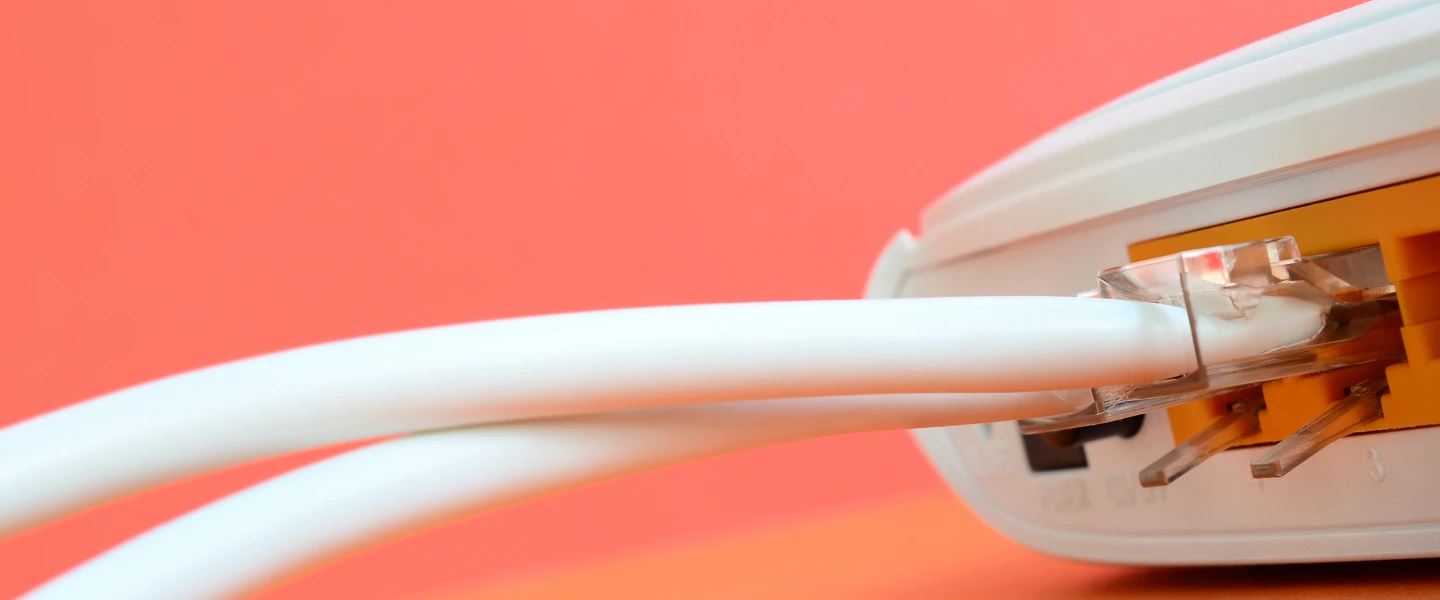
What Is PoE Signal and Power Separation Technology?
PoE Splitter: The Core Device for Signal and Power Separation
The PoE splitter sits beside the device that uses power and does the reverse of a PoE power supply.
A PoE power supply combines data and power into one network cable. A PoE splitter separates the combined PoE signal into data and power.
Its input is usually an RJ45 port. It receives signals from a PoE switch or power supply. The output provides a network data port and a DC power port.
How Does a Power over Ethernet Splitter Function and Work?
A PoE splitter typically contains a PD chip, a power conversion circuit, and related isolation and protection mechanisms. In a standard PoE system, the device is detected and the protocol is negotiated before any power is supplied. Power starts only after the system confirms the device meets the relevant standards.
Some high-reliability PoE splitters also use isolation transformers to separate the input and output circuits. This can improve safety for downstream devices during surges or other abnormal conditions.
What are the practical benefits of separating PoE signals from power?
1. Enabling non-PoE devices to connect to a PoE network
This is the core function of a PoE splitter.
A PoE splitter converts power from a PoE switch into DC power for the device. It also keeps normal data communication working.
2. Reduces reliance on power outlets at installation sites
With a PoE power supply architecture, a single network cable can handle both data transmission and remote power delivery. By using a splitter to provide DC power to non-PoE devices, it enhances the flexibility of device deployment.
3. Lowers the cost of system upgrades and equipment replacement
A PoE splitter can serve as an intermediate conversion device, allowing existing non-PoE terminals to continue operating. Thereby enabling the reuse of existing equipment and unified PoE power supply.
4. Simplify Cabling and Enable Centralized Power Supply
When using a PoE switch, multiple terminals can be powered centrally by the switch. Compared to configuring a power adapter for each device individually. The PoE solution reduces the need for power cords and outlets while facilitating port-level management.
What are some typical applications of PoE splitters?
Security Surveillance
When upgrading older surveillance systems, PoE splitters can connect non-PoE network cameras to PoE switches. They help reuse existing equipment and support local upgrades.
Wireless Access Points and Routers
In places like ceilings and hallways with no power outlets, PoE networks can deliver power remotely. The splitter then converts it to the DC voltage needed by the access points.
Industrial Automation and the Internet of Things
Industrial sensors, controllers, and other devices may require specific DC voltages. Industrial-grade PoE splitters link PoE networks to traditional devices. This makes them suitable for industrial automation, transportation, and the Internet of Things (IoT).
Smart Buildings
End devices like access control units, card readers, and smart lighting controllers can use PoE splitters.
They can get network connectivity and centralized power through the same PoE connection.
What aspects should you focus on when selecting a PoE splitter?
When selecting a PoE splitter, it is recommended to focus on four key parameters.
First, verify the power rating
Calculate the end device’s maximum power use. Make sure the splitter’s output power meets the device’s needs.
Second, verify the output voltage
The splitter’s output voltage must match the rated input voltage of the end device.
Third, verify the network speed
If the end device requires Gigabit communication, ensure that the splitter’s data channel supports Gigabit speeds.
Fourth, consider safety and environmental adaptability.
Prioritize products that feature isolation, surge protection, overload protection, and short-circuit protection. In industrial environments, further verify the operating temperature, mounting method, and protection rating.
Frequently Asked Questions and Common Pitfalls
Does a Power over Ethernet splitter reduce network speed?
Normally, no, but you should verify the maximum network speed supported by the product.
Can a standard switch be connected directly to a PoE splitter?
No. A standard switch does not provide PoE power on its own. You need to add a PoE power supply to combine data and power before transmitting them to the splitter.
Can a Power over Ethernet splitter be connected to all non-PoE devices?
You cannot simply assume that all devices are compatible. You must check that the device’s power use, input voltage, DC connector, and network speed match the splitter.
The Core Value of Separating PoE Signals from Power
PoE signal-and-power separation technology uses a PoE splitter to convert the composite data. And power in a network cable into independent data and DC output. Enabling a large number of non-PoE devices to connect to a PoE network. Its primary value lies in four areas: reusing existing equipment, flexible deployment, simplified cabling, and reduced retrofitting costs.
When selecting a model, consider the following criteria in this order:
End-device power consumption → Output voltage → Network speed → Isolation and protection → Operating environment.
For network engineering, security surveillance, industrial automation, and smart building projects. Choosing the right PoE splitter can improve PoE network compatibility and deployment efficiency. It can do this without replacing many end devices.
