Imagine our city's transportation infrastructure becoming "smart": cameras can think, traffic lights can communicate, and information signs can adapt.
But these smart devices require two things to function: electricity and a network.
PoE technology provides an efficient "two-in-one" solution. It uses one standard Ethernet cable for both power and network needs.
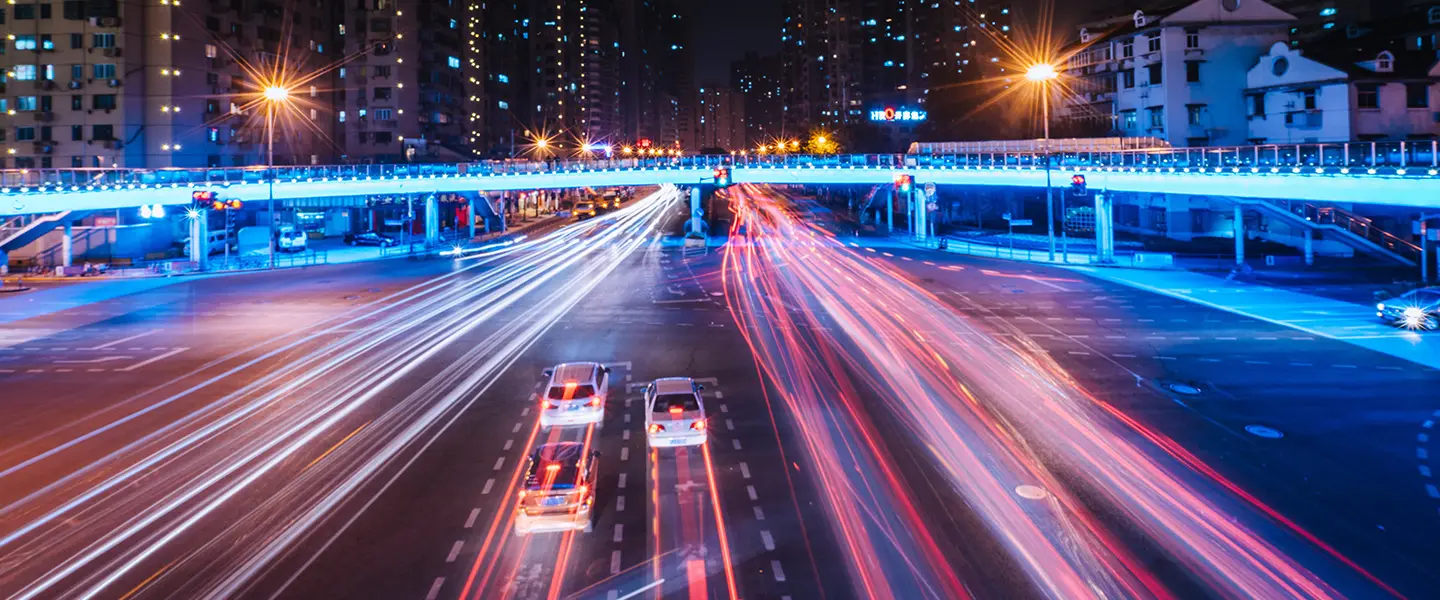
However, adapting this "indoor" technology to the complex "outdoor" traffic environment does present several typical challenges.
Difficulty 1: Outdoor Environment
Smart transportation equipment is constantly exposed to wind, sun, rain, snow, frost, severe winters, and scorching summers. Ordinary indoor switches may not be fully adapted to outdoor conditions.
Solution: For this situation, we need industrial-grade equipment.
Cold- and heat-resistant: Able to operate stably in temperatures ranging from -40°C to +75°C.
Waterproof and dustproof: The sealed housing prevents water from entering even during heavy rain. Lightning and surge protection: Built-in protection devices effectively protect against lightning strikes and current surges.
Difficulty 2: Power supply distance and stability
PoE technology has a limitation: power will severely degrade after being transmitted over 100 meters via network cables. However, many transportation equipment are often located far from the equipment room.
Solution: PoE fiber optic transceiver
Relaying "light" and "electricity": For long-distance transmission, we first use optical fiber to transmit data. Once near the equipment, we use a device called a "PoE fiber optic transceiver." This changes the optical signal into an electrical signal and power. It then connects the equipment to the network cable over a short distance.
Ensuring "no disconnection": For critical equipment such as traffic lights, power must not be interrupted. We can use switches that support uninterruptible power supply. This ensures that power is maintained even if the switch itself needs to be restarted. Alternatively, we can equip core switches with backup power supplies.
Difficulty 3: Excessive and scattered equipment, making management difficult
A single intersection might not have many devices. However, when you add up hundreds or thousands of intersections, the total number of devices can be huge. If every device requires on-site setup and maintenance, the workload would be enormous.
Solution: Make the network easier to manage, reducing workload.
Remote "master console": This requires the use of web-based smart switches. From the office, staff can see which intersection or camera has lost power or the internet. In this case, they can remotely reboot, significantly saving manpower.
Switches at multiple intersections can be connected using fiber optic cables to form a "circle." If a fiber is cut in the circle, the network data will be rerouted automatically. The whole system will recover on its own in a short time. This will keep important services, like traffic signals, running smoothly.
In summary: Effectively utilizing PoE technology in smart transportation hinges on three key points:
Choosing the right equipment: Use durable, industrial-grade equipment.
Using the right method: For long distances, adopt a hybrid "fiber + PoE" relay solution.
Smart management: Pick equipment that can be controlled from a distance. Create a network that has backup options and can fix itself.
